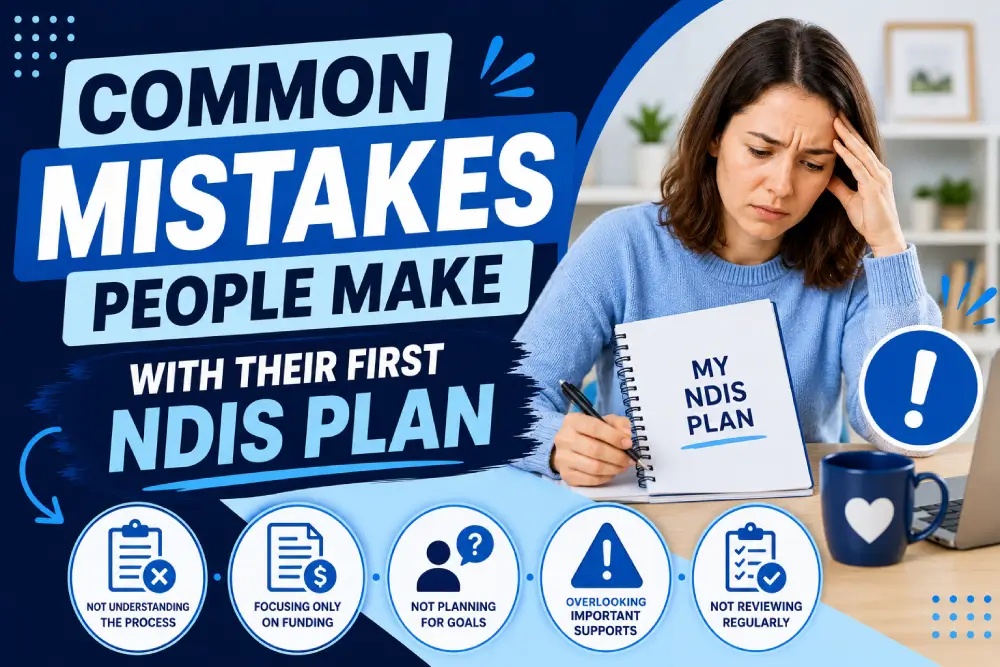
The first NDIS plan is the one most people get wrong. Not because they did anything bad, but because nobody walked them through the system properly and they figured it out as they went. Here are the things we see participants in Western Sydney get caught out by, so you can avoid them if it’s your first plan.
Mistake 1: Not Asking for Enough Hours
Lots of people we’ve worked with came out of their first planning meeting with funding for two or three hours of support a week, when they actually needed twelve. This usually happens because the planner asks “how much help do you need?” and the participant gives a polite answer instead of a real one. You don’t get extra credit for being modest. Be honest about what your week actually requires. If you need someone every morning to help with showering, that’s seven hours of personal care a week, not “a couple of hours when needed.”
Mistake 2: Confusing Funding Categories
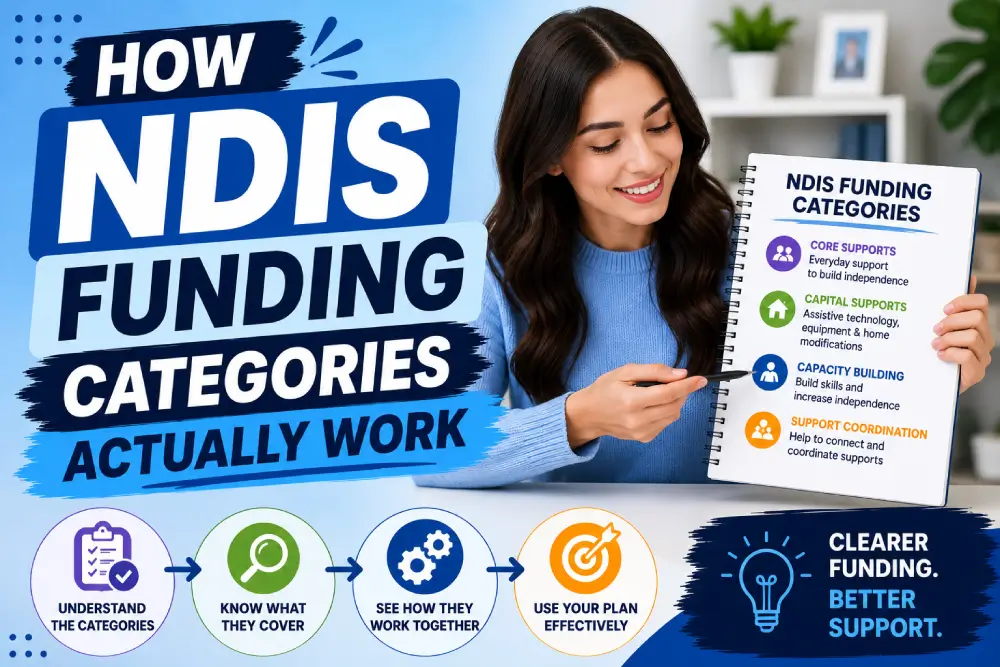
Core Supports, Capacity Building, and Capital are different and serve different purposes. Money in one category can’t always be spent on supports in another. People sometimes accept a plan with funding in the wrong category and then can’t use it for what they need. If your plan has $5000 in Capacity Building Improved Daily Living, that’s for therapy, not for personal care.
Mistake 3: Setting Goals That Don’t Match Your Supports
Your supports have to relate to your goals. If your goals are all about being more independent at home but you also need community access, you might not get community participation funding. Goals shape the plan, so think carefully about what goals you put down. Goals like “increase my social connections” or “build skills to live independently” support different types of funding.
Mistake 4: Not Using Your Funding
People hold onto funding for months because they’re nervous about getting it wrong. The NDIA at plan review can use this as evidence you didn’t need it, which means less funding next time. If you have funding for personal care, use it. Find a provider, set up services, start spending. If you’re not sure how to start, ask your LAC. Unspent funding rolls back at the end of your plan and can lead to reductions next time.
Mistake 5: Signing Service Agreements Without Reading Them
Some providers have lengthy notice periods, awkward cancellation terms, or charges for things you wouldn’t expect. Read every service agreement before you sign. If something doesn’t look right, ask about it or negotiate. A standard service agreement should specify what services are covered, the rates, the cancellation policy, and how complaints are handled. If a provider’s agreement is much longer than that or has unusual terms, ask why.
Mistake 6: Assuming the Plan Can’t Be Changed
Plans can be reviewed early if your situation changes. They can be amended for specific items. They can be reviewed for unscheduled reasons. Most people don’t know this and put up with a plan that doesn’t work for a year or two. If something significant has changed in your life since your plan started, you can ask for an unscheduled plan review.
Mistake 7: Trying to Do Everything Alone
Support coordinators, LACs, advocates, plan managers, peer support groups. There are people whose job is to help you with this. Use them. Disability advocacy organisations are free in most cases. LACs are part of the NDIA system and exist to help. Plan managers handle the financial admin. Family members can come to meetings. You don’t have to figure it out alone.
Mistake 8: Not Checking Providers Your LAC Suggests
LACs sometimes refer to providers they have relationships with. Those providers might be good or might not. Always do your own research before signing up. Ask other participants. Check Google reviews. Have a conversation with the provider before committing. The first provider you talk to isn’t necessarily the right one for you.
Mistake 9: Not Keeping Records
Even if your plan is agency managed, keep records of services delivered. If your provider is sending bogus claims through the system, you might not notice unless you’ve been keeping track. We’ve seen instances where claims didn’t match the services actually provided. Your participant portal lets you see what’s been claimed against your plan. Check it occasionally.
Mistake 10: Confusing Informal and Formal Supports
If you tell the planner that your daughter helps you with showering most mornings, the planner might assume that arrangement will continue and reduce the personal care funding accordingly. If your daughter’s help is reliable forever, that’s fine. If it’s a temporary arrangement that puts strain on her or might not continue, say so. Informal supports get factored into NDIS plans and can reduce your formal funding.
Mistake 11: Agreeing to Goals That Aren’t Really Yours
Some planners have a template list of goals they suggest. “Build independence in daily living” or “increase social participation” are common. These are fine as goals if they reflect what you want, but they shape what your plan funds. If your real goal is to keep living at home with help (not to become more independent), say so. The goals on paper need to match what you actually want from your supports.
If your first plan didn’t go the way you hoped, you can learn from it for the next one. None of these mistakes are fatal. They’re just lessons that cost less if someone tells you about them upfront.
Frequently Asked Questions
What’s the biggest mistake people make with their first NDIS plan?
Underestimating and understating support needs. Being modest in a planning meeting tends to result in less funding, not a reward for politeness.
Can I change my NDIS plan if I made a mistake at my planning meeting?
Yes. You can request an unscheduled review if something significant is wrong, or wait for your scheduled review to make changes.
What happens if I don’t use my NDIS funding?
Unspent funding rolls back at the end of the plan and can be used as evidence you don’t need it, which may lead to a smaller allocation next time.
Do I have to use the provider my LAC recommends?
No. LACs sometimes suggest providers they already have a relationship with, but you’re free to research and choose whichever provider suits you.
How do informal supports affect my NDIS funding?
If a planner assumes ongoing informal help (like a family member’s daily assistance) will continue, they may fund less formal support. Flag if that help isn’t guaranteed long term.