
Community participation is one of those NDIS terms that sounds straightforward until you try to figure out exactly what it covers, how it is funded, and what it looks like day to day. Here is how it actually works.
What community participation means under the NDIS
In NDIS language, community participation is about accessing and engaging in social, community, and civic activities. In normal language, it means getting out of the house and being part of the world. Going to the gym, joining a group, attending events, visiting friends, going to the library, volunteering, or just spending time in public spaces.
The NDIS funds community participation because isolation makes disability harder. People who are connected to their communities tend to be healthier, happier, and more independent. It is not a nice to have. For a lot of participants, it is one of the most important parts of their plan.
What activities count
Almost anything that gets you into the community can count, as long as it connects to a goal in your plan. Attending social groups or clubs. Going to sporting events or fitness activities. Visiting markets, cafes, or shops. Going to the movies, theatre, or music events. Attending religious services or cultural events. Volunteering. Visiting friends or family outside the home.
The activity does not need to be organised or structured. Going for a walk in the park with a support worker is community participation if it gets you out and connected.
How it is funded
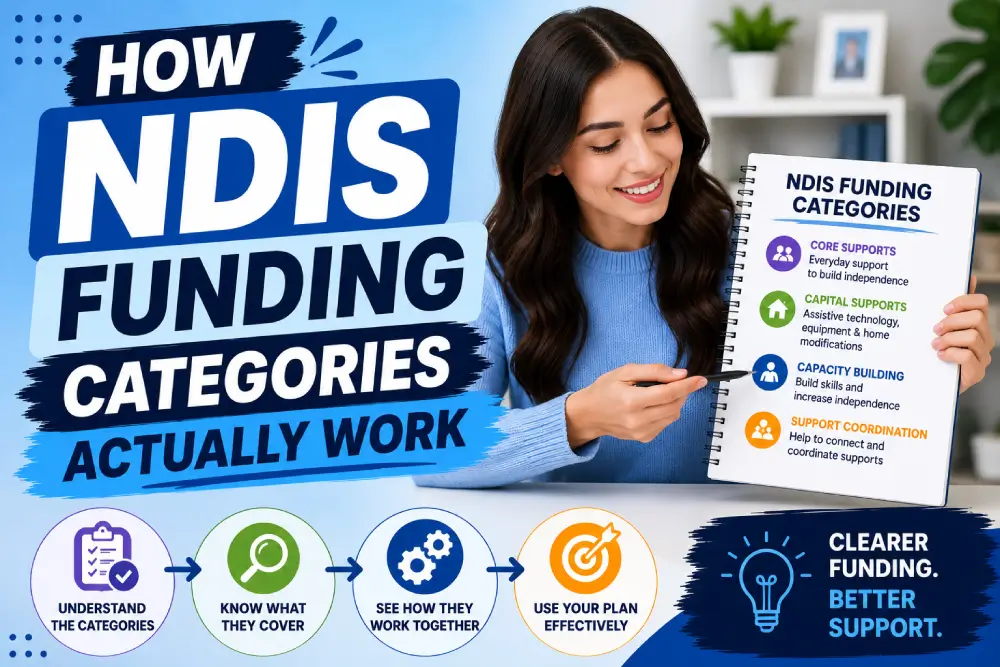
Community participation is funded under Core Supports, specifically the Assistance with Social and Community Participation line item. This pays for the support worker’s time during the activity. If you also need transport to get to the activity, that may come from your transport funding (Core Supports, Transport) or from Capacity Building if the transport element involves building your independent travel skills.
Some participants also have funding under Capacity Building for Increased Social and Community Participation. This is typically for building skills and independence, not just attending activities.
What to expect from a provider
A good provider will not just drive you somewhere and sit in the corner. They will work with you to identify activities you are interested in, help you access them, support you during the activity at whatever level you need, and adjust the support over time as you become more confident.
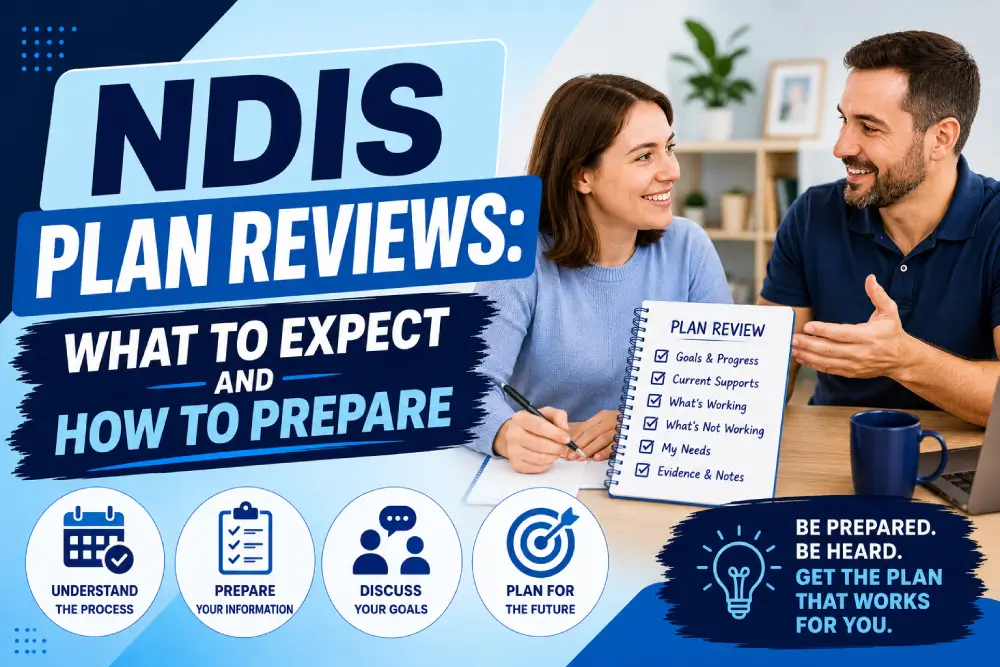
They should also track how community participation is contributing to your NDIS plan goals, because that information is useful at plan reviews and can help you maintain or increase your funding for this category.