Support coordination is one of those NDIS services that confuses people because it overlaps with what plan managers, LACs, and even good support workers do. Here’s what it actually is and when it’s worth having in your plan.
What a Support Coordinator Actually Does
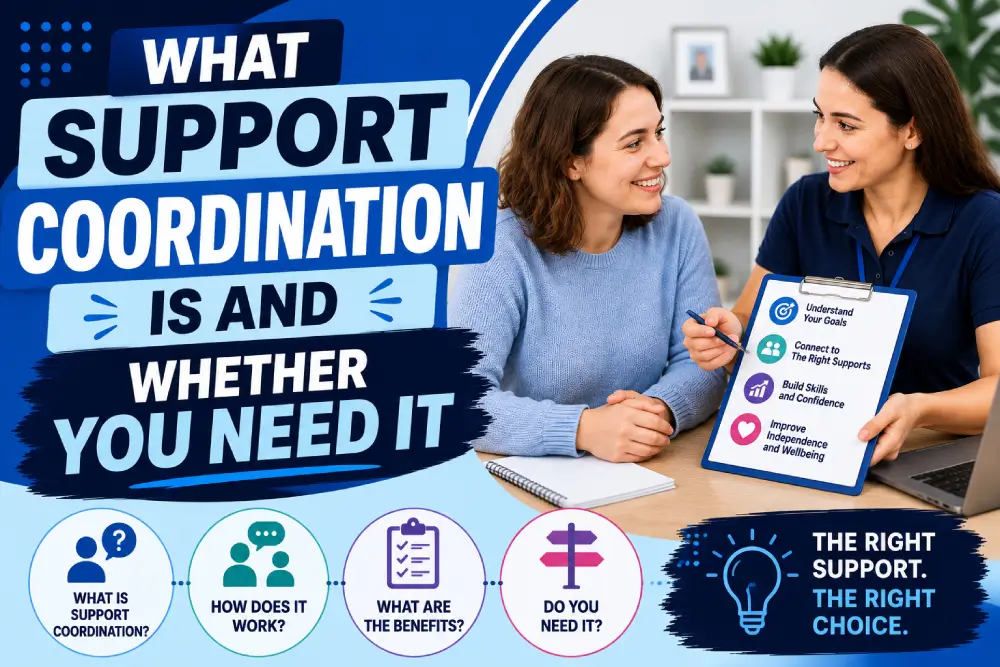
A support coordinator is someone who helps you understand and use your NDIS plan. They help you find providers, set up services, sort out problems, and prepare for plan reviews. They don’t deliver hands on supports themselves. They’re more like a project manager for your plan.
The Three Levels of Support Coordination
There are three levels of support coordination. Support Connection is the lightest level, mostly for connecting you with providers. Support Coordination is the most common level, for managing your plan and resolving issues. Specialist Support Coordination is for complex situations, often involving health, justice, or housing issues. Specialist Support Coordinators usually have specific qualifications like social work or psychology.
How Support Coordination Is Funded
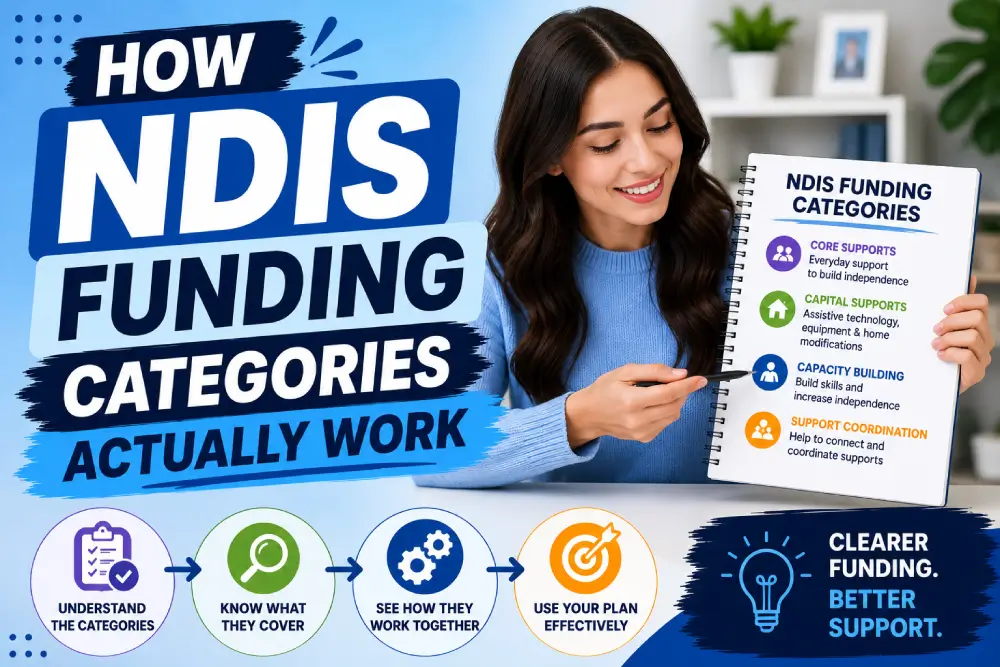
Support coordination is funded under Capacity Building. It doesn’t come out of your Core Supports budget. So having it in your plan doesn’t reduce how many hours of personal care you can have. It’s a separate allocation. You usually get a set number of hours of coordination per year (often 50 to 100 hours for Support Coordination, more for Specialist).
Do You Actually Need It?
Whether you need it depends on a few things. If your plan is straightforward and you’re confident navigating things on your own, you might not need it. If you have multiple providers, complex health needs, are new to the NDIS, or just don’t have the time and energy to manage everything yourself, support coordination can be worth it.
What a Good Support Coordinator Does Day to Day
They help you find providers that suit you, often having a network of providers they’ve worked with before. They sort out problems when supports aren’t working, including chasing providers who aren’t responding or organising replacement services when something falls through. They help you understand your plan and use the budget effectively, often catching things you might have missed. They prepare reports and gather evidence for plan reviews. They help connect you to mainstream and community services outside the NDIS, like local council services, community health, or housing supports. They advocate for you when you have issues with the NDIA or providers.
What a Support Coordinator Shouldn’t Do
They shouldn’t charge you for their time outside of what your NDIS plan covers. They shouldn’t push you toward providers they have a financial relationship with (this is a conflict of interest). They shouldn’t deliver hands on supports themselves (that’s also a conflict). They shouldn’t make decisions for you without consulting you. If your support coordinator is doing any of these, that’s a red flag.
Do You Already Have This Covered?
If you’re considering support coordination, think about whether you have other people in your life who can fill that role. Family members, advocates, or even a really good plan manager can sometimes provide a lot of what a support coordinator does. If you have those supports, you might not need formal coordination. If you don’t, having someone in that role can take a lot of stress off you.
How to Choose a Good Support Coordinator
Ask how many participants they currently work with. If it’s more than 30, they’re probably stretched. Ask how quickly they respond to emails and calls. Ask if they can give you references from current participants. Ask about their experience with the kinds of services you need. A coordinator who’s never set up SDA before isn’t ideal if you’re looking at SDA. A coordinator who specialises in mental health is good if your situation involves mental health.
Getting Support Coordination Added to Your Plan
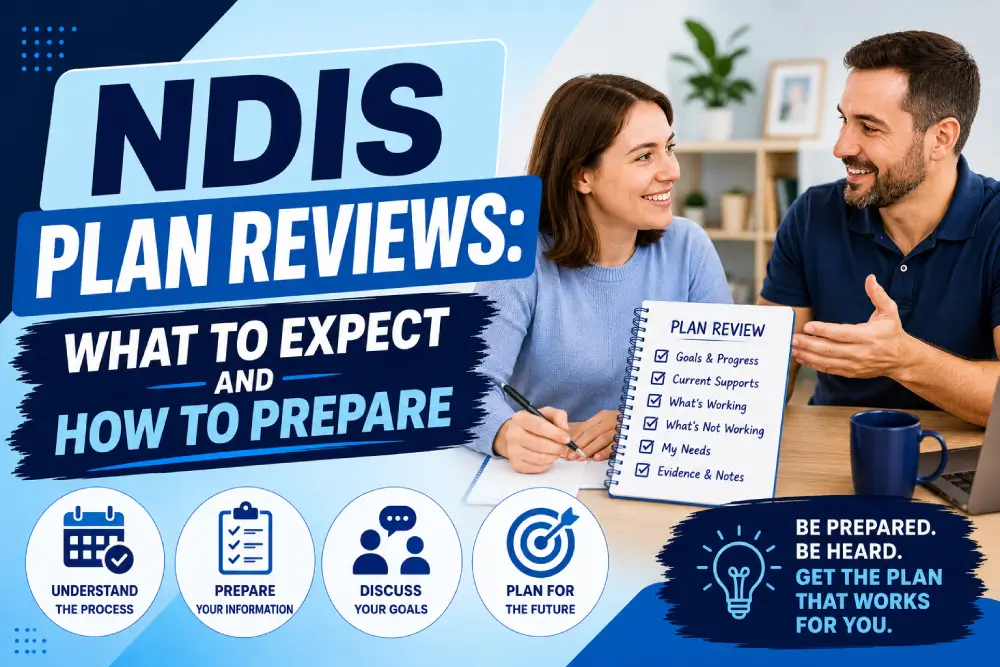
To get support coordination in your plan, you usually have to ask for it at a planning meeting and demonstrate why you need it. The NDIA doesn’t always include it automatically. If you’ve tried to manage your plan and it isn’t working, that’s evidence to bring to your next review. Documentation that you’ve struggled to set up services, missed opportunities because you didn’t know what was available, or had services break down without help, all support a request for coordination.
Support Coordination in Western Sydney
In Western Sydney there are plenty of support coordinators, but quality varies. Some are excellent and worth their weight in gold. Others are overloaded, slow to respond, or just not very effective. Don’t be afraid to switch coordinators if the one you’ve been allocated isn’t working out. Same as with any other provider, you can change.
A good coordinator should be saving you time and reducing your stress. If you’re spending more time managing your coordinator than you would managing your own services, the arrangement isn’t working. The signs of a coordinator who’s worth their funding include responding to emails within a day or two, knowing the local provider landscape, helping you anticipate problems before they happen, and making your plan reviews easier rather than harder.
We’re not support coordinators ourselves at Lucky Support Solutions, but we work with several coordinators in the Western Sydney area. We see the good ones and the not-so-good ones from a service delivery perspective. If you need help finding one, we can point you in the right direction without any conflict of interest because coordination isn’t part of what we offer.
Frequently Asked Questions
What is NDIS support coordination?
A service that helps you understand and use your NDIS plan, find providers, resolve problems, and prepare for reviews, without delivering hands-on supports itself.
Does support coordination reduce my other NDIS funding?
No. It’s funded under Capacity Building as a separate allocation and doesn’t come out of your Core Supports budget.
How many hours of support coordination do I get?
It varies by plan, but Support Coordination is often 50 to 100 hours a year, with Specialist Support Coordination usually allocated more.
Can I change my support coordinator?
Yes. If your coordinator isn’t responsive or isn’t a good fit, you can switch to a different one, the same as with any other NDIS provider.
How do I get support coordination added to my NDIS plan?
You generally need to request it at a planning meeting and show evidence of why you need it, such as difficulty setting up services on your own.